
You've probably seen it happen. A guest walks into a lobby, glances at a large landscape on the wall, and their shoulders drop. A shopper slows down in front of a botanical print. Designers have long trusted this instinct, and now there's evidence behind it.
Nature-themed art, meaning artwork that depicts landscapes, botanicals, birds and wildlife, underwater life, water or organic forms, is a practical biophilic design solution for hospitality, retail, wellness, healthcare and workplace interiors. Many designers already apply these principles: organic forms, soft palettes drawn from foliage and water, and imagery that gives a space a sense of horizon. The science doesn’t change that practice. It gives you something concrete to point to when a client asks why the art budget matters.
“Biophilic design can be intuitive or intentional”- according to Terrapin Bright Green’s in The Economics of Biophilia. In this insightful report, one of the pillars of this design approach is Natural Analogues - materials and representative patterns that evoke nature. These analogues can be characterized as either representation, ornamentation, biomorphic forms, or natural materials.
Nature-themed art: What the research says
Nature-themed art can also be considered a type of natural analogue. And the research on it’s benefits is growing.
A 2025 study by Chen and colleagues in Frontiers in Psychology placed participants in five virtual rooms and tracked blood pressure, heart rate and brain activity. Rooms with nature-themed artwork led to lower systolic blood pressure, more relaxed brain activity and higher restorative ratings than rooms with a blank foreground.
Artwork performed comparably to a natural window view and a green plant wall, and the differences were not statistically significant. The authors call it a cost-effective, scalable biophilic intervention, which matters in spaces with no views or no opportunity for planting.
Biophilic Elements in Hospitality and Retail
Bringing nature into hospitality environments not only creates instagram-worthy moments. It can help guests restore and relax more easily. These can be in the form of wall art as well as nature motifs and patterns in architectural elements, textiles, carpets and way finding. These elements support wellness as a core design strategy, not just a spa in the hotel.
In retail, Terrapin also reports that biophilic elements can improve shoppers’ attention and increase dwell time - “Shopper-reported patronage, dwell time, willingness to pay, and likelihood of repeat visits—accurate reflections of spending habits—increase when vegetation is heavily prevalent (Wolf, 2005).” While the research was focused primarily on vegetation in retail, nature imagery and other biomorphic elements are also being used to create a calmer setting that encourages people to slow down.
It Reaches Beyond Landscapes
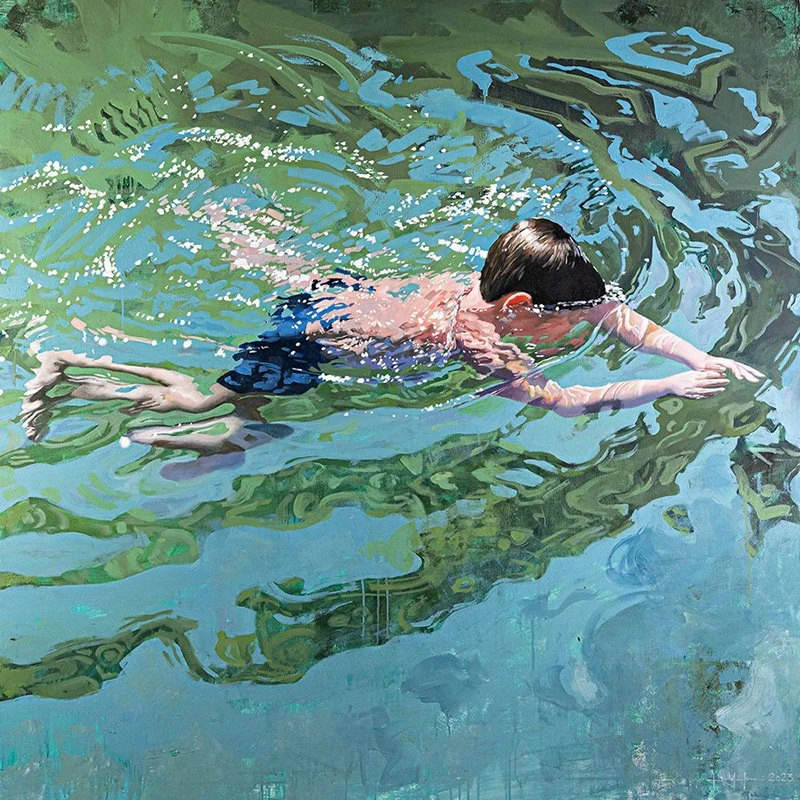
Water images have its own evidence. A 2021 EEG study from the University of Hong Kong had 30 participants view slideshows of waterfalls, rivers and still water, alongside a city street. All three water scenes produced greater physiological restoration than the street, and waterfalls were the most restorative. The effect depends on the subject and the audience, so choose imagery that fits the space.
Can Nature-Themed Art Be Part of the Soundscape?
Nature isn’t only visual. In a Max Planck Institute for Human Development experiment with 295 participants, listening to birdsong reduced anxiety and paranoia in healthy participants. In another study, participants in a restored urban forest hearing birdsong reported an average stress score of 3.2 on an 11-point scale, compared with 6.4 for those on a plaza hearing traffic. The forest-and-birdsong pairing also gave the strongest sense of restoration. The setting mattered more than the sound for mental restoration, which supports the role of the visual environment.
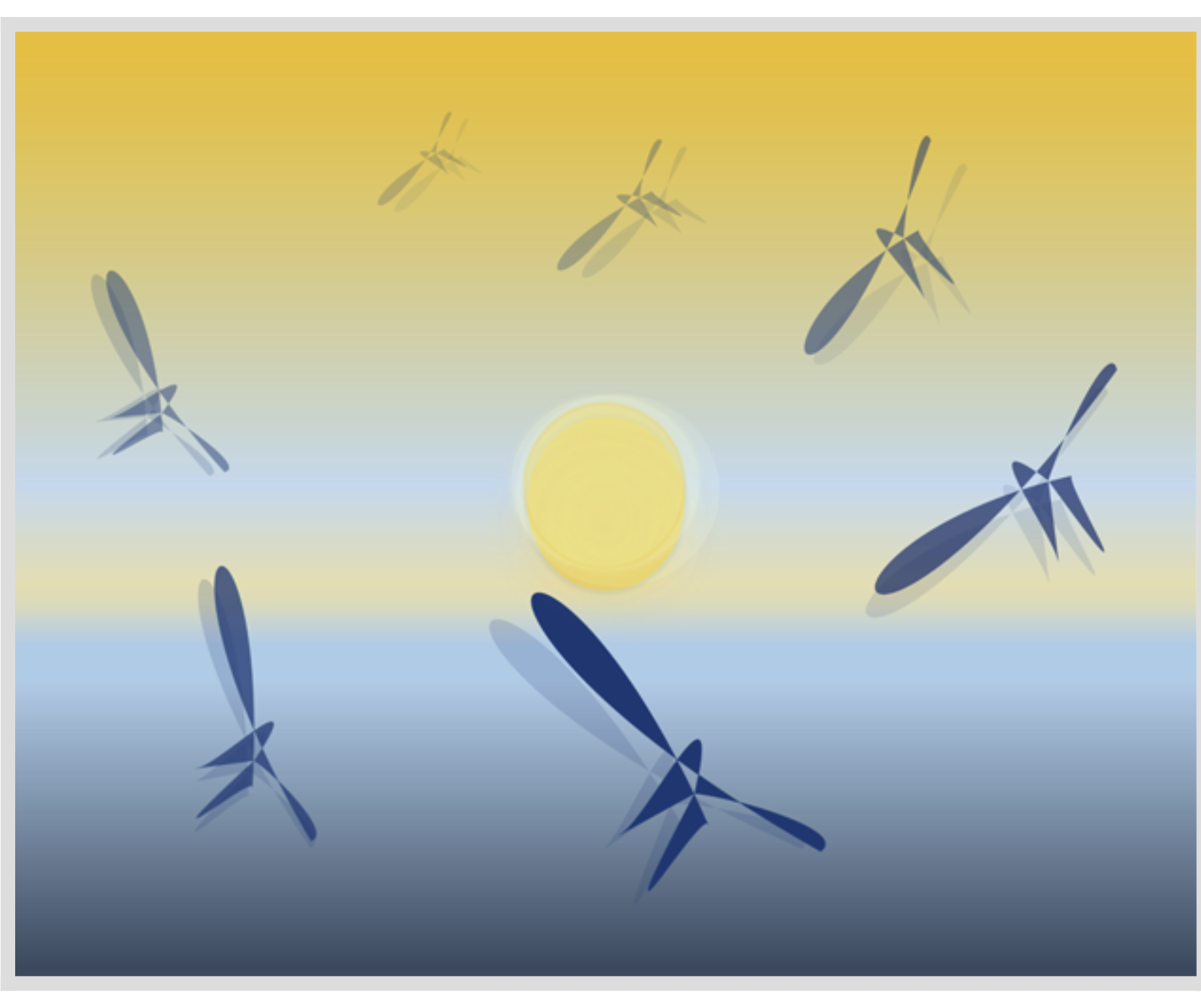
For designers, that suggests a layered approach: a landscape or bird study on the wall, and a natural soundscape that reinforces it in a lobby, spa corridor or waiting room. A few honest caveats. So far, these studies were not done in a complete built environment and some took place in virtual environments. Treat it as a design opportunity rather than proven practice, because the studies tested these elements separately. So planning the art works as part of a wider biophilic strategy is a good place to start.
Where to Use Nature-Themed Art
Hospitality: local flora, biophilic patterns on partitions, water or horizon lines give lobbies, restaurants and guest rooms a sense of place and refuge.
Retail: calmer settings that invite shoppers to linger.
Wellness: gentle, flowing imagery for spas, clinics and studios.
Healthcare: a calming alternative where views and live plants are scarce.
Workplaces: a restorative pause in meeting rooms and break areas.
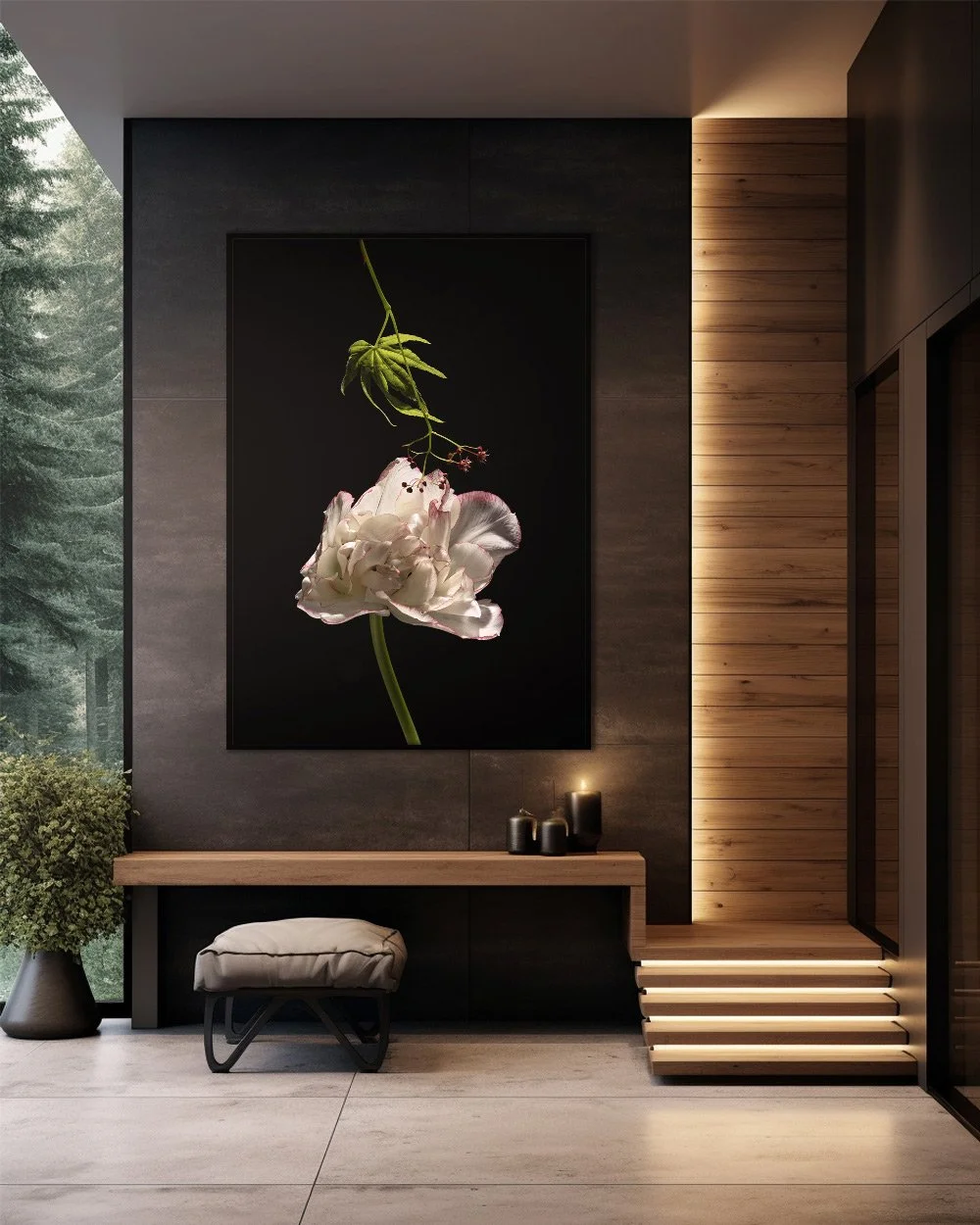
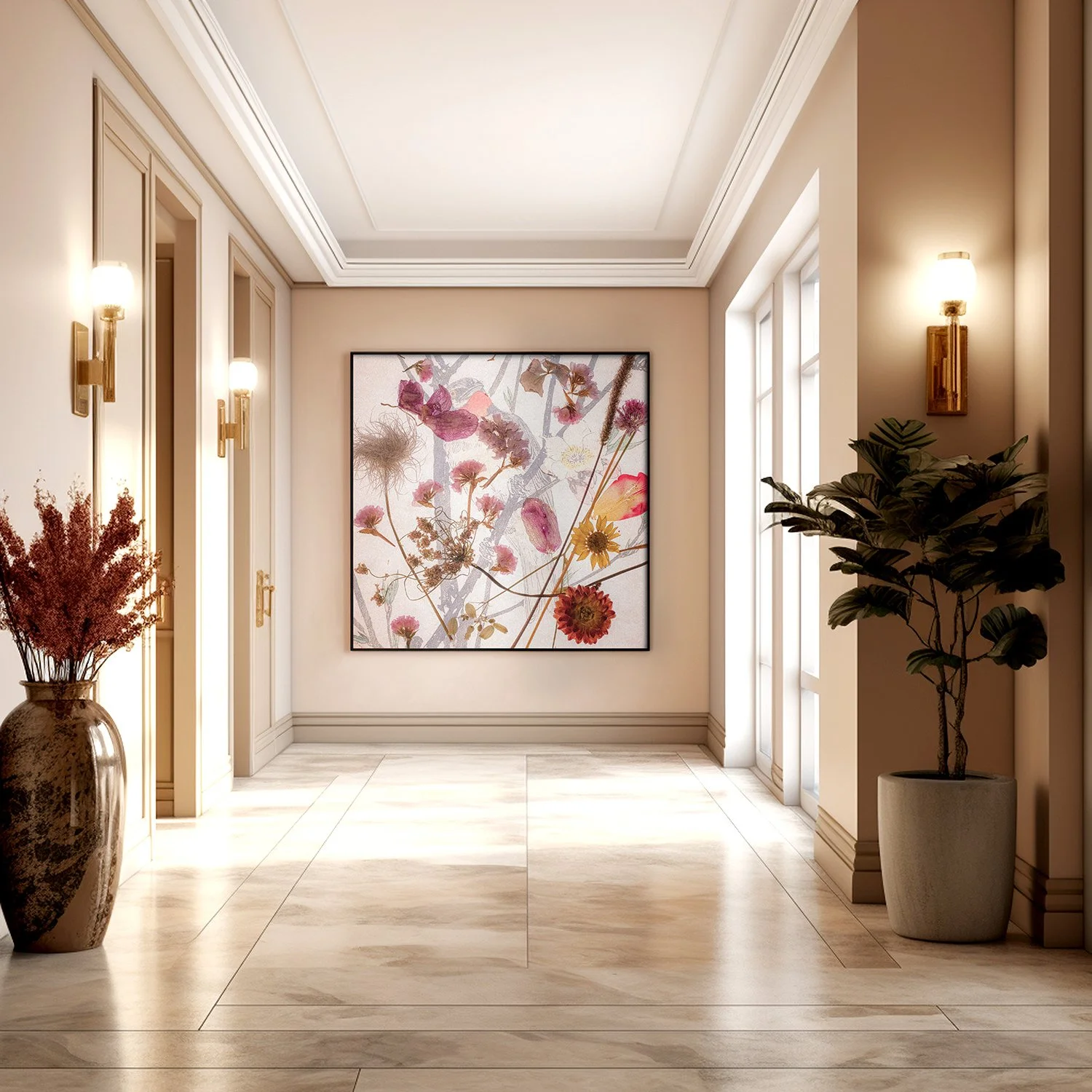
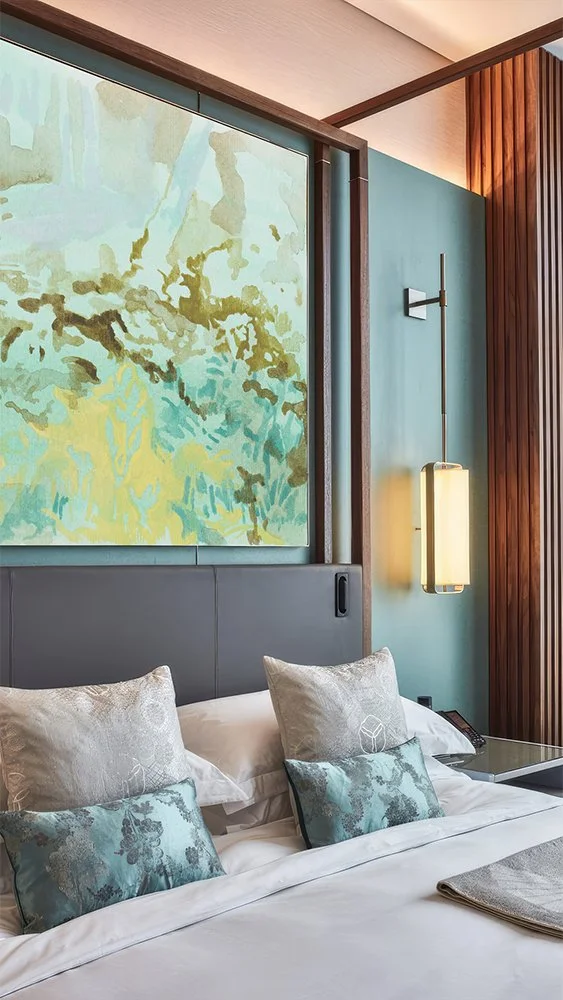
What To Look For
Look for organic forms, flowing lines, layered depth and a calming palette drawn from landscapes, water and foliage. These can be in the form of wall art that also complement nature motifs in architectural elements or patterns in textiles and carpet. Custom nature patterns created by lighting and soundscapes can also amplify the effect.
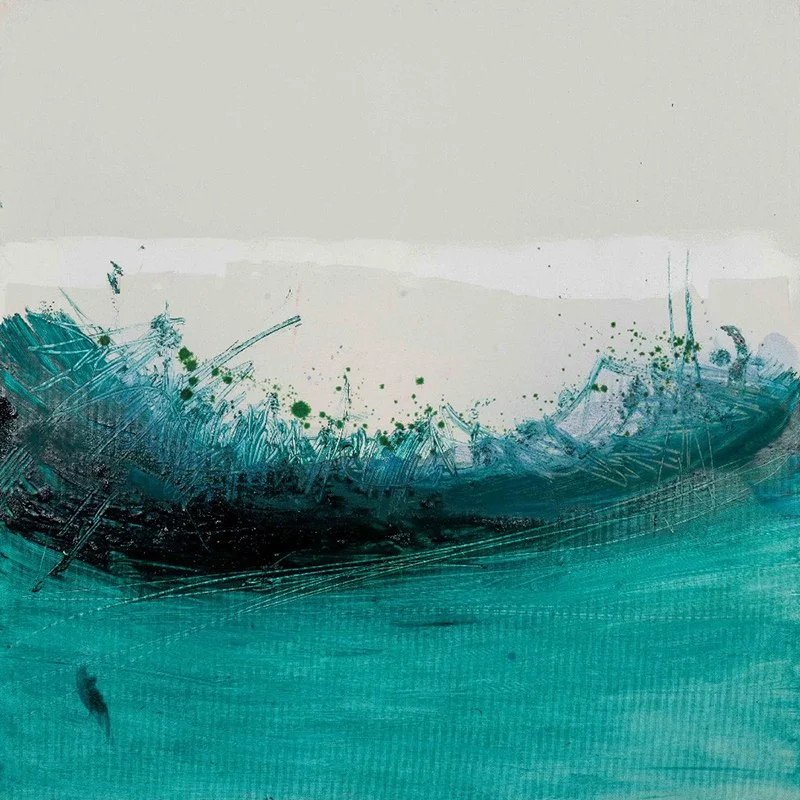
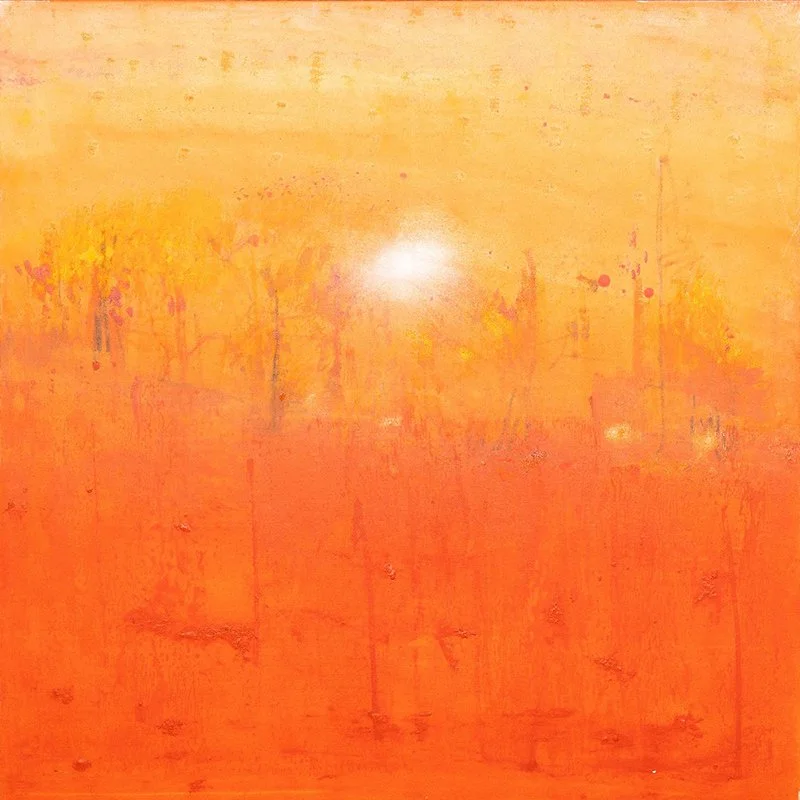
Need curated nature-themed art for your next project?
Contact us to curate a custom selection tailored to the space, the audience and the design brief.
Spaces by T Branded Spaces + Art Programs
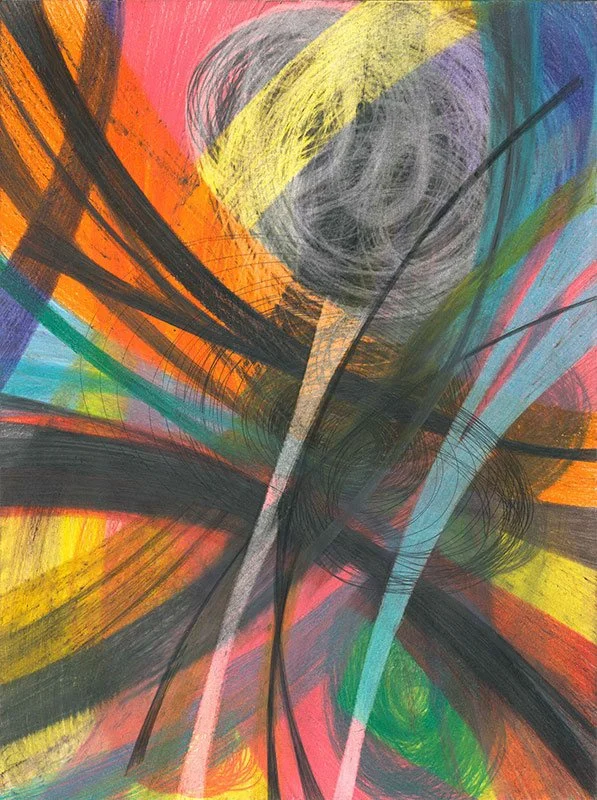
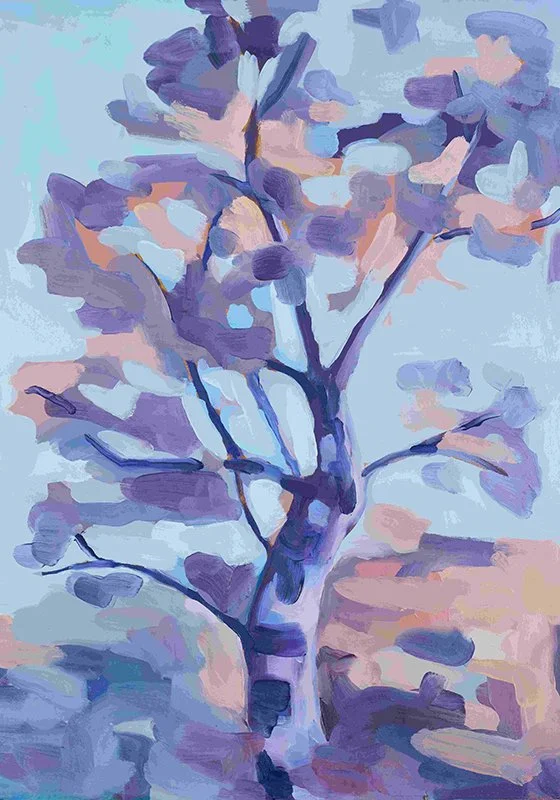
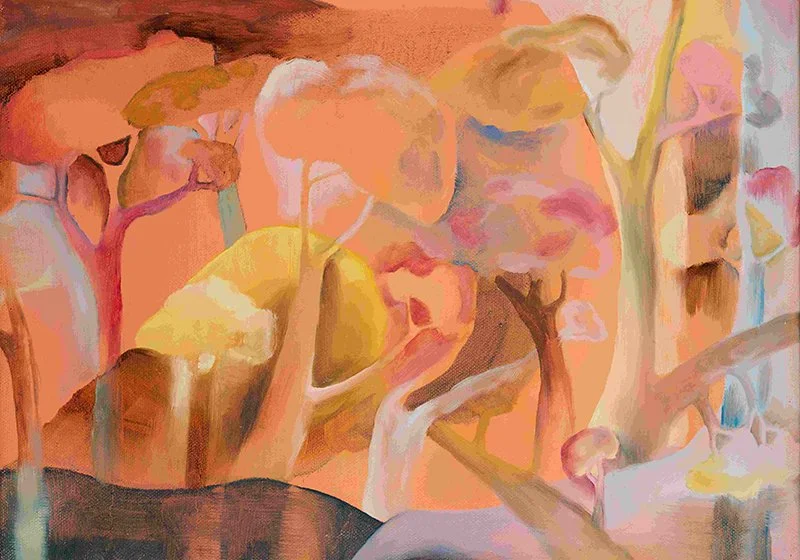
Artworks by Cinquerosso Arte and Atelier Maz (Circling Birds). Spaces by T is the North American partner for Cinquerosso Arte.
Sources:
Chen, Zhu, Cheng, Yin, Yi, Shen, Zhang and Wu (2025). “Restorative effects and perception of nature-themed artworks in indoor environments: an empirical study based on VR+EEG.” Frontiers in Psychology. Open access, CC BY. https://doi.org/10.3389/fpsyg.2025.1571176
Ryan, Browning and Walker (2023). The Economics of Biophilia: Why designing with nature in mind makes financial sense, 2nd edition. Terrapin Bright Green. https://www.terrapinbrightgreen.com/report/eob-2/
Luo, L., Yu, P. and Jiang, B. (2021). “Blue Matters: Using EEG Technology to Measure Impacts of Various Bluescapes on Human’s Psycho-Physiological Restoration.” Council of Educators in Landscape Architecture (CELA) Annual Conference Proceedings, pp. 169–170. http://hdl.handle.net/10722/309343
Hammoud, R., Tognin, S., Burgess, L., Bergou, N., Smythe, M., Gibbons, J., Davidson, N., Afifi, A., Bakolis, I. and Mechelli, A. (2022). Smartphone-based ecological momentary assessment reveals mental health benefits of birdlife. Scientific Reports. https://doi.org/10.1038/s41598-022-20207-6
Stobbe, E., Sundermann, J., Ascone, L. and Kühn, S. (2022). Birdsongs alleviate anxiety and paranoia in healthy participants. Scientific Reports, 12, 16414. https://doi.org/10.1038/s41598-022-20841-0